Travel Rewards Credit Cards
Cards that earn points or miles you can redeem toward flights, hotels, and other travel.
Travel rewards credit cards are designed to earn points or miles with purchases, which cardholders can typically redeem for flights, hotel stays, rental cars, and other travel-related expenses. These cards may appeal to people who travel frequently or plan to take trips and want to offset some costs through accumulated rewards. Some cards earn rewards on all purchases, while others offer higher earning rates in specific categories like dining or gas. The value of rewards varies depending on how and where you redeem them. Card terms, benefits, annual fees, and reward structures differ significantly between issuers, so it's important to compare options and review the specific terms before applying.
Who it's for
People who travel regularly and pay their balance in full each month, so rewards aren't eaten up by interest. Because many travel cards charge an annual fee, they tend to suit cardholders who will actually use the travel benefits enough to outweigh that fee.
How it works
You earn points or miles on your spending — often at a higher rate in travel categories — and redeem them for flights, hotel stays, or statement credits toward travel. Some programs let you transfer points to airline or hotel partners. The value of a point depends on how you redeem it, so the same balance can be worth more or less depending on the redemption.
What to compare
Compare the annual fee against the benefits you'll really use, the earning rate in the categories you spend on, whether the card charges foreign transaction fees, and how flexible the redemptions are. Read the program terms — point values and transfer partners change.
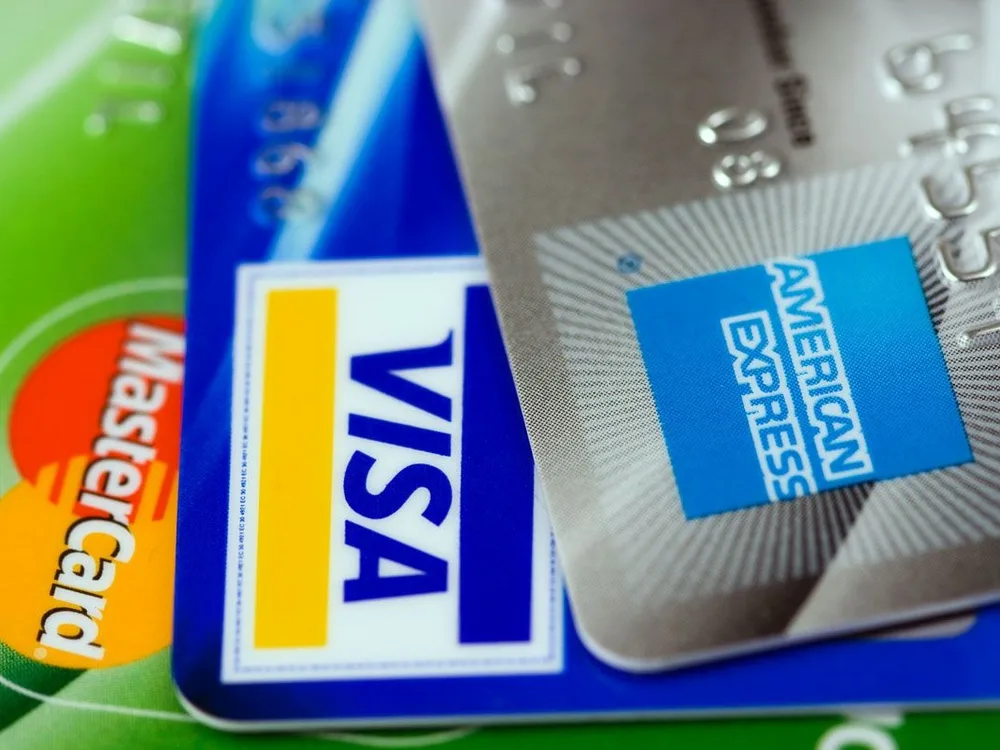
Multiple card networks — one comparison standard
Travel rewards cards are issued across Mastercard, Visa, and American Express networks, each with different acceptance footprints and benefits. What matters most is the rewards structure, the annual fee, and whether the redemption options match how you actually travel. Always compare current offers before applying.
Key terms at a glance
| Card type | Rewards (travel) |
| Earns | Points or miles, redeemable toward travel |
| Annual fee | Varies by card; some have none, premium cards often do |
| Foreign transaction fee | Some charge it, some don't — check before traveling |
| Best for | Frequent travelers who pay in full each month |
Pros and cons
Potential advantages
- Rewards are geared toward travel and can be valuable if you travel often.
- Many cards add travel perks such as travel-related protections or partner benefits.
- Some have no foreign transaction fee, which helps when spending abroad.
Things to watch
- Often carry an annual fee, which only pays off if you use the benefits enough.
- Point values and redemption rules vary and can change over time.
- Like any rewards card, the rewards are erased if you carry a balance and pay interest.
Sources: Federal Reserve — Choosing a Credit Card; CFPB — Credit Cards. Credit-card information follows the U.S. Consumer Financial Protection Bureau (CFPB) and the Federal Reserve; always confirm current rates, fees, and terms with the issuer before applying.
Compare travel rewards credit cards offers
Want help weighing your choices? Tell us a little about what you're looking for and we'll help you compare card offers from vetted partners. It's free, with no obligation — and we never sell your personal information. We make no approval or credit-score promises.
Compare card offers / get matched →Frequently asked questions
Are travel rewards worth it if I carry a balance?
Generally no. Interest charged on a carried balance typically costs far more than the value of the rewards you earn. Rewards cards make the most sense for people who pay their statement balance in full each month. (See the CFPB on how credit card interest works.)
What's the difference between points and miles?
They're both loyalty currencies. "Miles" are usually tied to airline or travel programs, while "points" are often a card issuer's flexible currency that can be redeemed several ways. The real question is what each is worth when you redeem it — read the program's terms.